

Cart
0
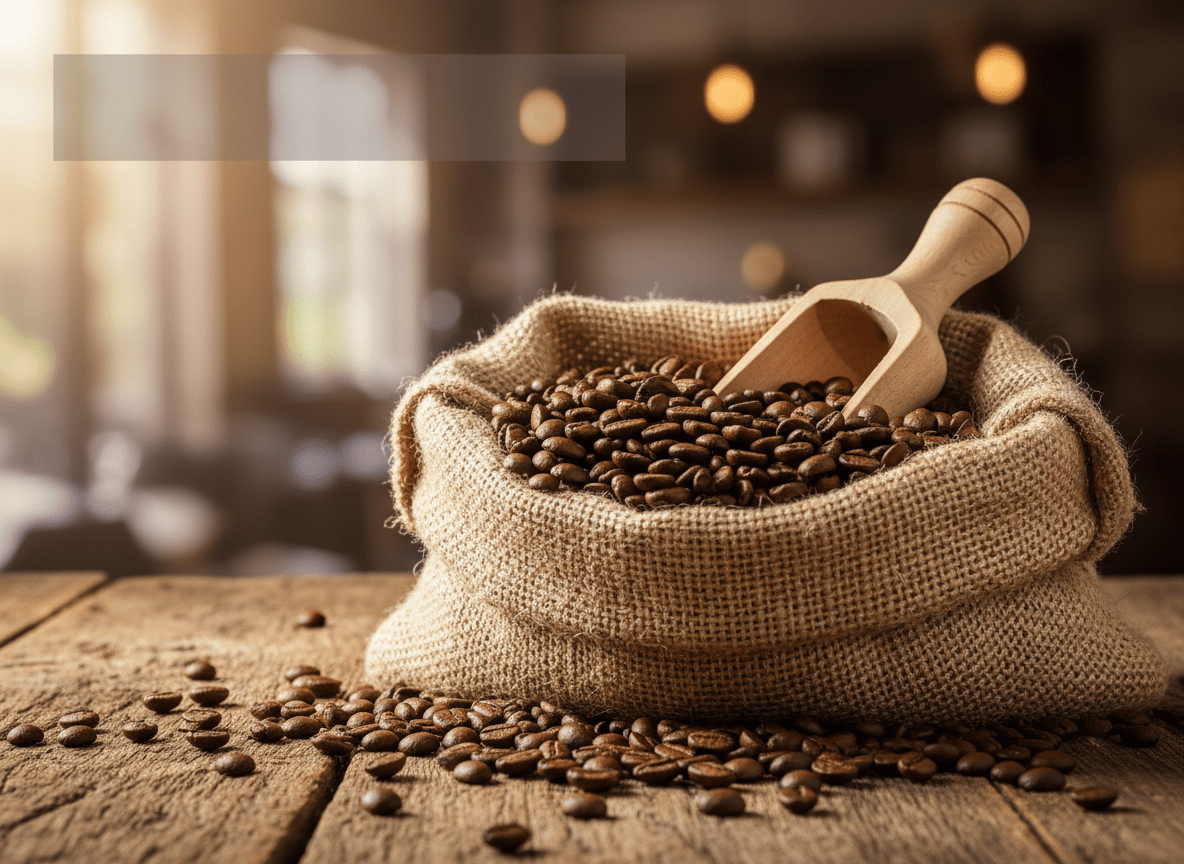
If you've ever browsed specialty coffee beans online, you might have experienced sticker shock. A 12-ounce bag can cost $15-25 or more, while grocery store coffee sells for $8-12. So what's the deal? Are specialty coffee beans really worth the extra money, or is it just marketing hype?
As someone who's dedicated to bringing only the finest specialty grade coffee to customers, I can tell you: the difference is real, measurable, and absolutely worth it. Let me break down exactly what you're paying for—and why it matters.
What Makes Coffee "Specialty Grade"?
Not all coffee is created equal. In fact, the coffee industry has strict grading standards that separate exceptional beans from average ones.
Specialty grade coffee represents the top 3-5% of all coffee grown worldwide. To earn this designation, beans must:
- Score 80 points or higher on a 100-point scale by certified Q Graders (professional coffee tasters)
- Have zero primary defects and fewer than five secondary defects per 350g sample
- Exhibit distinct, desirable flavor characteristics
- Be traceable to a specific region or farm
- Meet strict size, moisture, and processing standards
In contrast, commodity coffee (what you find in most grocery stores) can include defective beans, inconsistent roasts, and coffee from multiple unknown sources mixed together.
The bottom line: Specialty coffee isn't just "better coffee"—it's objectively superior by measurable industry standards.
The Real Cost Behind Specialty Coffee Beans
When you buy specialty coffee, you're not just paying for the beans. You're investing in an entire supply chain built on quality, sustainability, and fair compensation.
1. Farmers Get Paid Fairly
Specialty coffee farmers receive significantly higher prices than commodity coffee farmers—often 2-3 times more per pound.
This fair pricing enables:
- Investment in better farming practices
- Improved living conditions for farming families
- Education for farmers' children
- Sustainable land management
When you buy cheap coffee, farmers often earn less than $1 per pound. With specialty coffee, they can earn $3-6 or more per pound, creating a sustainable livelihood.
2. Selective Harvesting Takes Time
Commodity coffee is often strip-picked—entire branches are harvested at once, regardless of ripeness. This means unripe, overripe, and perfectly ripe cherries all get mixed together.
Specialty coffee is hand-picked at peak ripeness. Harvesters make multiple passes through the same trees, selecting only the ripest cherries. This labor-intensive process takes significantly more time and skill, but it ensures only the best fruit makes it into your cup.
3. Meticulous Processing
After harvesting, specialty coffee undergoes careful processing:
- Washing: Removes fruit pulp, ferments to develop flavor, and requires clean water systems
- Natural processing: Dries whole cherries on raised beds, requiring constant monitoring and turning
- Honey processing: Removes skin but leaves mucilage, demanding precise timing
Each method requires expertise, infrastructure, and attention to detail that commodity coffee processing doesn't prioritize.
4. Small-Batch Roasting
Specialty roasters use small-batch roasting techniques that:
- Allow precise temperature and time control
- Develop complex flavor profiles unique to each origin
- Ensure freshness (often roasted within days of shipping)
- Minimize defects and inconsistencies
Large commercial roasters prioritize volume and shelf stability over flavor development, often roasting dark to mask inconsistencies in bean quality.
5. Traceability and Transparency
When you buy specialty coffee, you often know:
- The specific region or farm where it was grown
- The altitude and soil conditions
- The coffee varietals used
- The processing method
- The roast date
This transparency costs money to maintain but ensures quality and accountability throughout the supply chain.
What You Actually Taste: The Flavor Difference
Here's where specialty coffee really shines. The difference isn't subtle—it's dramatic.
Complexity and Clarity
Specialty coffee offers distinct, recognizable flavors:
- Bright citrus notes from Ethiopian beans
- Chocolate and caramel from Central American origins
- Fruity, wine-like characteristics from natural processing
- Clean, crisp acidity that enlivens your palate
Commodity coffee tastes... like coffee. Often bitter, one-dimensional, and lacking nuance.
No Defects = Better Taste
Those zero defects I mentioned earlier? They matter. Defective beans taste:
- Sour or fermented
- Musty or moldy
- Bitter and astringent
- Flat and lifeless
Specialty coffee's strict quality control means every sip is clean, balanced, and delicious.
Freshness You Can Taste
Specialty coffee is typically roasted within 2-3 weeks of when you buy it. Coffee is at its peak flavor 3-14 days after roasting.
Grocery store coffee? It might have been roasted months ago, then sat on a shelf losing flavor compounds every day. By the time you brew it, much of the nuanced flavor is gone.
The Health Benefits of Specialty Coffee
Beyond flavor, specialty coffee offers health advantages:
Fewer Toxins
Specialty coffee's zero-defect standard means no moldy or damaged beans that can contain mycotoxins (toxic compounds from mold).
Higher Antioxidants
Properly grown and processed specialty coffee retains more beneficial antioxidants, including chlorogenic acids that support metabolism and heart health.
Cleaner Growing Practices
Many specialty farms use organic or sustainable farming methods, reducing pesticide exposure for both farmers and consumers.
Breaking Down the Cost: Is It Really More Expensive?
Let's do some math. Say you buy a 12-ounce bag of specialty coffee for $18.
- That's $1.50 per ounce
- You'll get approximately 24 cups of coffee from that bag
- Cost per cup: $0.75
Compare that to:
- Starbucks coffee: $2.45-3.65 per cup
- Local coffee shop: $3-5 per cup
- Even McDonald's coffee: $1.50-2.00 per cup
Brewing specialty coffee at home costs less than any coffee shop option—and tastes better than most.
Even compared to cheap grocery store coffee at $0.40-0.50 per cup, you're only paying $0.25-0.35 more for dramatically superior quality.
Environmental and Social Impact
Your coffee purchase has ripple effects far beyond your morning cup.
Sustainable Farming
Specialty coffee farms often:
- Use shade-grown methods that preserve forests
- Protect biodiversity and wildlife habitats
- Implement water conservation practices
- Avoid harmful pesticides
Community Development
Fair prices for specialty coffee enable:
- Better schools in coffee-growing regions
- Healthcare access for farming families
- Infrastructure improvements
- Economic stability for entire communities
Long-Term Viability
By supporting specialty coffee, you're helping ensure coffee farming remains a viable profession for future generations—protecting both the environment and the livelihoods of millions of farmers.
How to Get the Most Value from Specialty Coffee
If you're investing in specialty beans, maximize your experience:
1. Store It Properly
- Keep beans in an airtight container
- Store in a cool, dark place (not the fridge)
- Buy only what you'll use within 2-3 weeks
2. Grind Fresh
- Invest in a burr grinder
- Grind just before brewing
- Match grind size to your brewing method
3. Use the Right Water
- Filtered water makes a huge difference
- Water temperature: 195-205°F
- Proper coffee-to-water ratio (1:16 is a good starting point)
4. Experiment with Brewing Methods
- Pour over highlights clarity and brightness
- French press emphasizes body and richness
- Espresso concentrates intensity
- Cold brew creates smooth, low-acid coffee
The Bottom Line: Worth It or Not?
Yes, specialty coffee beans cost more upfront. But when you consider:
- The superior flavor and complexity
- Fair compensation for farmers
- Environmental sustainability
- Health benefits
- Cost per cup compared to coffee shops
- The daily ritual and enjoyment
Specialty coffee delivers exceptional value.
You're not just buying a beverage—you're investing in quality, supporting sustainable practices, and treating yourself to one of life's simple pleasures done right.
Experience the Difference with Bearded Mountain Coffee
At Bearded Mountain Coffee Company, we're committed to bringing you only specialty grade beans—the top 3-5% of coffee worldwide. Every bean scores 80+ on the SCA scale with zero defects.
Whether you prefer the bright, fruity notes of our Ethiopia Natural Single Origin or the smooth, balanced profile of our Mexico Single Origin, you'll taste the difference that quality makes.
Ready to elevate your coffee experience?
Browse our selection of specialty grade single origins and signature blends. Every bag comes with our 30-day money-back guarantee—if you don't taste the difference, we'll refund you in full.
Have questions about specialty coffee? Contact us at support@beardedmountaincoffee.com or call (502) 801-9305. We're always happy to talk coffee!
