

Cart
0
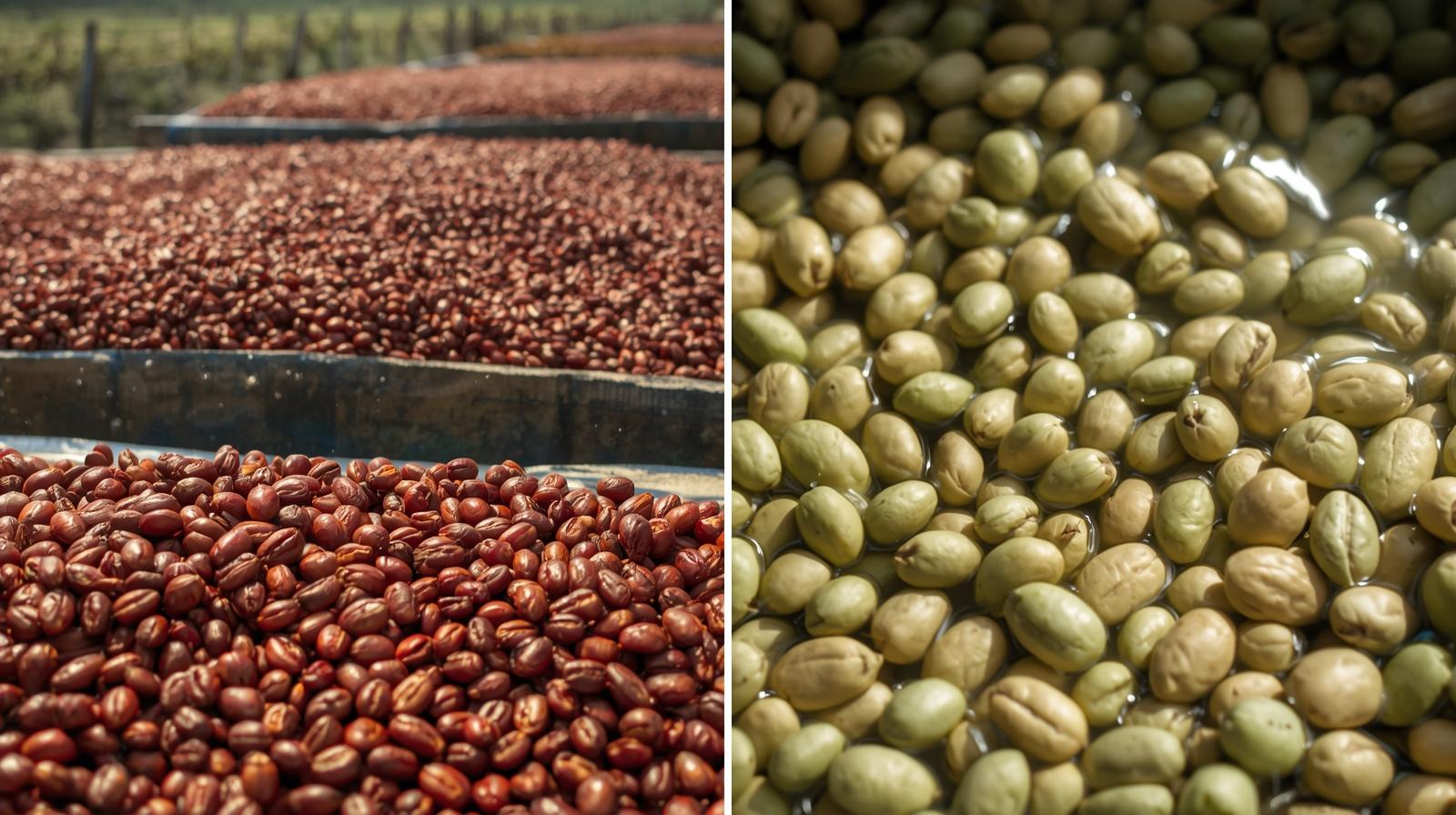
Natural vs Washed Coffee: What's the Difference?
One of the most common questions we hear at Bearded Mountain Coffee is: "What's the difference between natural and washed coffee?" The answer lies in how the coffee cherry is processed after harvest—and it dramatically affects the flavor in your cup.
Understanding Coffee Processing
Before we dive into the differences, let's establish what coffee processing actually means. Coffee doesn't grow as beans—it grows as cherries on trees. Inside each cherry are typically two seeds (what we call coffee beans). Processing is the method used to remove the fruit and prepare the beans for roasting.
The two most common processing methods are natural (dry) processing and washed (wet) processing. Each method creates distinctly different flavor profiles, and understanding these differences will help you choose the perfect coffee for your taste preferences.
Natural Process Coffee: Sun-Dried Sweetness
What is Natural Process?
Natural processing is the oldest and most traditional method of processing coffee. It's beautifully simple: after harvesting, the entire coffee cherry is laid out to dry in the sun with the fruit still intact around the bean.
The Natural Process Method:
- Harvesting: Ripe coffee cherries are hand-picked at peak ripeness
- Sorting: Cherries are sorted to remove unripe or damaged fruit
- Drying: Whole cherries are spread on raised beds or patios in the sun
- Turning: Cherries are turned regularly (multiple times daily) to ensure even drying
- Monitoring: The process takes 3-4 weeks until moisture content reaches 11-12%
- Hulling: Once dried, the fruit is mechanically removed from the bean
Flavor Profile of Natural Process Coffee
Natural process coffees are known for their:
- Fruity flavors: Blueberry, strawberry, tropical fruit notes
- Sweetness: Wine-like, jam-like, or honey sweetness
- Heavy body: Fuller, syrupy mouthfeel
- Complexity: Layered, sometimes funky or fermented notes
- Lower acidity: Smooth, less bright than washed coffees
Our Ethiopia Natural Single Origin
At Bearded Mountain Coffee, our Ethiopia Natural Single Origin is a perfect example of this processing method. Sourced from the Sidama Zone at 1,700-1,900 meters, these beans are hand-sorted and dried on raised beds, resulting in beautiful notes of milk chocolate, fruity complexity, and caramel.
Washed Process Coffee: Clean and Bright
What is Washed Process?
Washed processing, also called wet processing, removes the fruit from the bean before drying. This method requires more water and infrastructure but produces remarkably clean, consistent flavors.
The Washed Process Method:
- Harvesting: Ripe cherries are hand-picked
- Depulping: Cherries pass through a machine that removes the outer skin and most of the fruit
- Fermentation: Beans (still covered in a sticky mucilage layer) are placed in fermentation tanks for 12-48 hours
- Washing: Fermented beans are thoroughly washed to remove all remaining fruit
- Drying: Clean beans are dried on raised beds or patios for 1-2 weeks
- Hulling: The dried parchment layer is removed from the bean
Flavor Profile of Washed Process Coffee
Washed process coffees are characterized by:
- Clean flavors: Clear, distinct tasting notes
- Bright acidity: Vibrant, crisp, citrus-like brightness
- Lighter body: Tea-like, delicate mouthfeel
- Clarity: The bean's inherent characteristics shine through
- Consistency: More predictable, less variation batch to batch
Our Mexico Single Origin
Our Mexico Single Origin from Chiapas and Oaxaca showcases the washed process beautifully. Fully washed and sun-dried at 900-1,000 meters elevation, this coffee delivers clean notes of chocolate, cinnamon, and green apple with a balanced, approachable character.
Side-by-Side Comparison
| Characteristic | Natural Process | Washed Process |
|---|---|---|
| Drying Method | Whole cherry dried with fruit intact | Fruit removed, bean dried clean |
| Time Required | 3-4 weeks | 1-2 weeks |
| Water Usage | Minimal | Significant |
| Flavor Profile | Fruity, sweet, complex, wine-like | Clean, bright, crisp, clear |
| Body | Full, heavy, syrupy | Light to medium, tea-like |
| Acidity | Lower, smooth | Higher, vibrant |
| Consistency | More variation possible | Very consistent |
| Risk Factors | Weather-dependent, mold risk | Requires infrastructure, water access |
| Best For | Adventurous palates, espresso | Pour-over, drip coffee |
Why Processing Method Matters
It's All About Fermentation
The key difference comes down to fermentation. In natural processing, the bean ferments inside the fruit over several weeks, absorbing sugars and developing complex, fruity flavors. In washed processing, fermentation is controlled and brief, allowing the bean's inherent characteristics to shine without fruit influence.
Environmental Considerations
Natural processing is more environmentally sustainable in water-scarce regions since it requires minimal water. However, it demands consistent sunny weather and careful monitoring to prevent mold or over-fermentation.
Washed processing requires significant water (and proper wastewater management) but can produce more consistent results and works in regions with less predictable weather.
How to Brew Each Type
Brewing Natural Process Coffee
Best Methods: Espresso, French Press, Cold Brew
- Use slightly cooler water (195-200°F) to avoid over-extraction
- These coffees shine in full-immersion methods
- The heavy body and sweetness work beautifully in milk-based drinks
- Try a coarser grind to highlight fruit notes
Brewing Washed Process Coffee
Best Methods: Pour-over, Drip, AeroPress
- Use hotter water (200-205°F) to extract bright acidity
- These coffees excel in pour-over methods that highlight clarity
- The clean flavors are perfect for black coffee
- Try a medium-fine grind to enhance brightness
Which Should You Choose?
Choose Natural Process If You:
- Love fruity, wine-like flavors
- Prefer full-bodied, syrupy coffee
- Enjoy complexity and adventure in your cup
- Make espresso or milk-based drinks
- Want something unique and memorable
Choose Washed Process If You:
- Appreciate clean, clear flavors
- Prefer bright, crisp acidity
- Enjoy lighter-bodied coffee
- Drink your coffee black
- Want consistency and predictability
Or Better Yet: Try Both!
The beauty of specialty coffee is exploring different processing methods and discovering your preferences. At Bearded Mountain Coffee Company, we offer both our Ethiopia Natural (showcasing the fruity complexity of natural processing) and our Mexico Single Origin (highlighting the clean clarity of washed processing).
Beyond Natural and Washed: Other Processing Methods
While natural and washed are the two main methods, you might also encounter:
- Honey Process: A hybrid where some fruit mucilage is left on during drying
- Pulped Natural: Similar to honey process, popular in Brazil
- Wet-Hulled: Common in Indonesia, creates earthy, full-bodied flavors
- Anaerobic Fermentation: Controlled fermentation in sealed tanks for unique flavors
Each method offers different flavor possibilities, making coffee processing one of the most exciting aspects of specialty coffee.
Why We Choose These Coffees
At Bearded Mountain Coffee Company, we carefully select coffees that showcase the best of each processing method. We work with expert roasters who understand how to bring out the unique characteristics that make natural and washed coffees special.
When we source our Ethiopia Natural, we're looking for those vibrant fruit notes and complex sweetness that only natural processing can deliver. For our Mexico Single Origin, we seek the clean, balanced profile that washed processing provides.
Both processing methods deserve appreciation—they're simply different expressions of the same coffee cherry, each with its own beauty and complexity.
Final Thoughts
Understanding the difference between natural and washed coffee processing opens up a whole new dimension of coffee appreciation. The next time you're choosing beans, consider not just the origin or roast level, but how the coffee was processed.
Whether you're drawn to the fruity exuberance of natural process or the clean precision of washed coffee, both methods represent the skill, care, and tradition of coffee farmers around the world.
Ready to experience the difference for yourself? Explore our Ethiopia Natural Single Origin and Mexico Single Origin to taste these processing methods side by side.

